Howdo I Find the Value of an Art Photograph
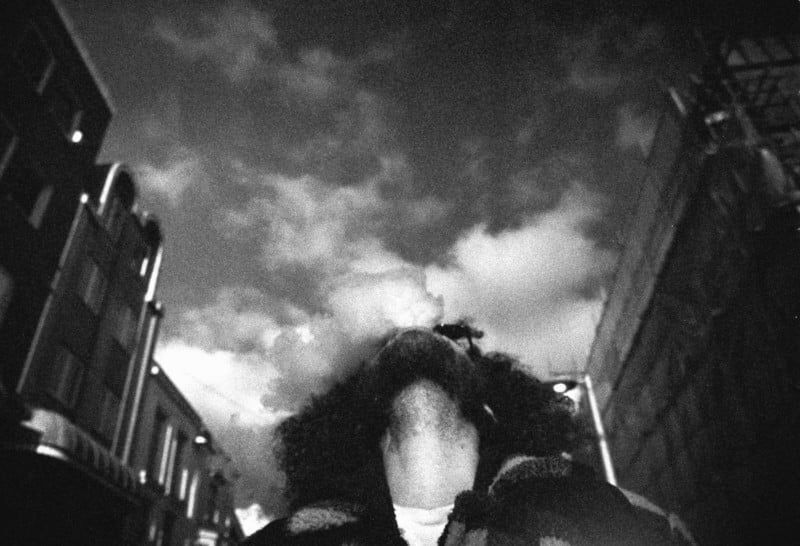
Discussing what makes a "photographic" photograph can seem like a bit of a tautology, merely I think that my understanding of what I'm trying to achieve with my photographs has been helped past this idea.
I first started thinking near what would make something "photographic" after seeing how many seem to be describing some pictures as "cinematic". My understanding of what it actually means for a photograph to exist/experience cinematic is that there is something more than merely aspect ratio, color grading, focal length, and so on. There must be something more integral to what makes a cinematic frame cinematic, and this must be what a cinematic photograph is borrowing from.
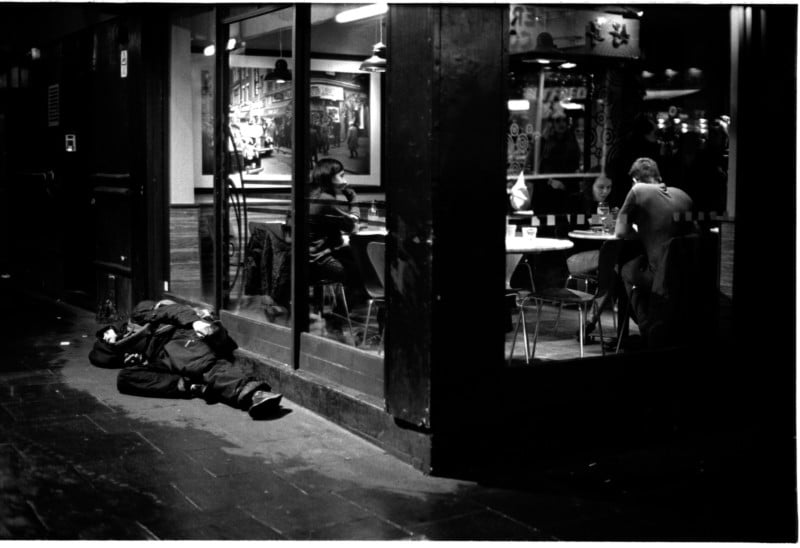
Cinematic frames be as part of a sequence. There are establishing, mid, close shots, and everything in-between. The function of each shot is to contribute to the overall narrative, and it can do this effectively or poorly — it'southward entirely possible to take a beautifully-shot terrible film.
If you take ane beautiful cinematic frame out of its identify in the finished movie, you remove its purpose and are left only with the aesthetic. It may have creative merit from how information technology looks, just it won't really hateful anything out of the context it was designed to be in.
I think that many "new wave" street photography images tin can feel cinematic considering they often resemble an establishing shot — characters moving through a space, cryptic silhouetted figures, wide light architecture frames. Nevertheless without the context of the remainder of a character's story (as in a picture show), information technology actually doesn't serve that role of an establishing shot — it doesn't plant anything unless it ends upward included in a series.
As an individual photograph, however, it does not have the power of the same frame used in a photo-essay, or every bit part of cinema; we have no investment in the location or character, and this leaves a lot of room to read into.
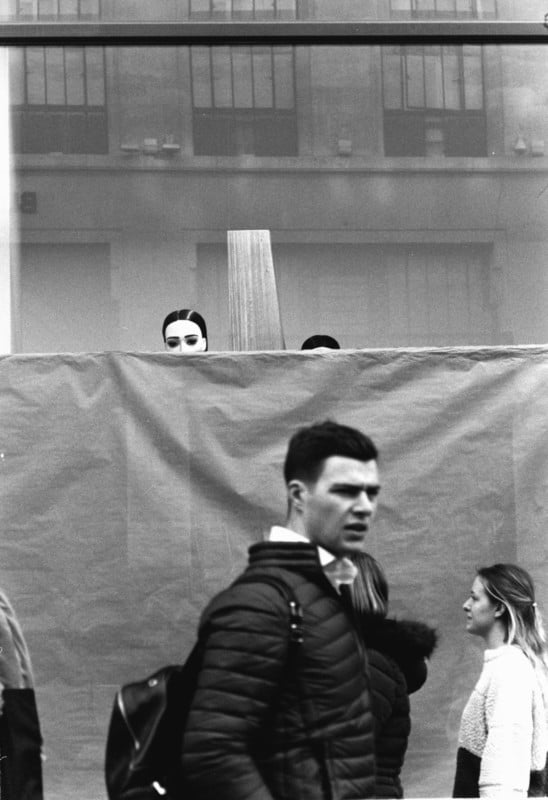
A photograph made in this way does non feel "photographic" to me. It does not justify its own existence but instead leans on an clan, and it is that clan the audience judges its quality on. If the just affair a photo has going for it is that it reminds you of Bract Runner and then that isn't a good photograph, it'southward just a reference to a good movie — and I'd go a lot more enjoyment out of the movie where the aesthetic actually means something than from looking at a still epitome, devoid of existent character, story, and depth, and detached from whatever series which may provide these.
Bringing this back to my idea of a "photographic" photo, I think that these cinematic visual references practice non need to be rooted in an image fabricated with a camera. I could produce a painting or comic panel that could contain the same visual language without even having to think well-nigh a photographic camera, and the result would however be described as cinematic. They do not need the involvement of a photographic camera to exist brought into being, so I run into less value in them as photographs — saying a photograph feels cinematic isn't a compliment in my eyes, it says to me that the value of that image holds is that information technology reminds you of something else.
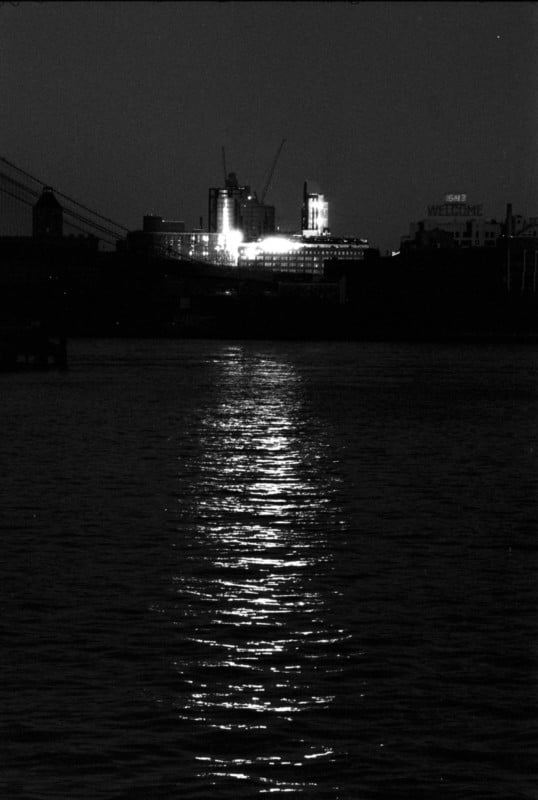
Personally, I don't want the value of my images to be that they remind my audience of something else — I desire the value to be inherent to the contents of the frame. Maybe if the paradigm does something more, if the photo comments on that reference, if information technology builds on a concept, if it adds something new, maybe a unique spin, or the photographers commentary, or reframing something familiar and refreshing it – something to make it more than just a nod, or a borrow.
My understanding of a photographic photograph is one that leans strongly into what a photograph offers differently to other mediums. To me this is less to do with an aesthetic to be achieved and more to the absolute basics – the ability to almost instantly, and usually with great accuracy, render the light in front of the lens onto a sensor or slice of movie.
The speed and accuracy are the nearly essential aspects in my stance, and they greatly inform my respect for the style images can be used journalistically. These photographs aren't references to other genres or art forms, but references to history, describing powerful events through truly man moments. Their worth is inherent to the events within the frame, non institute elsewhere through implication or invocation.
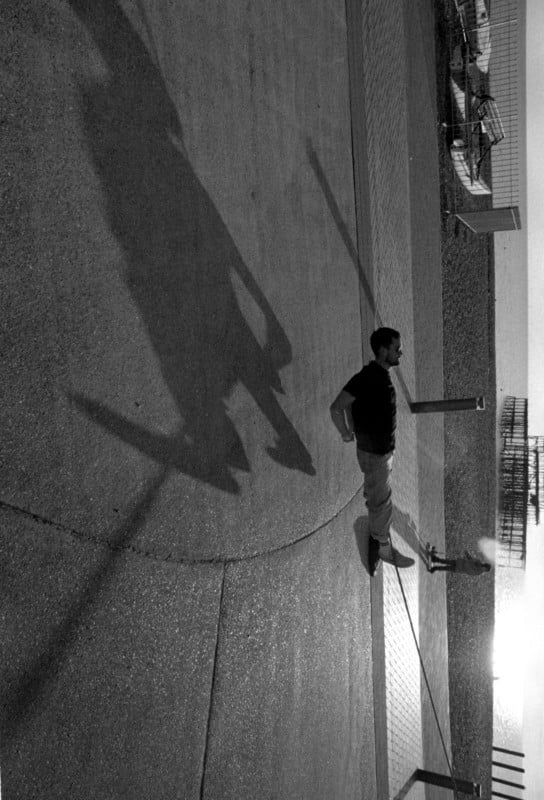
In smaller-calibration applications, such equally personal documentary, or street photography, I recollect that photographs made while chasing life become a office of something more than a photographic portfolio, just contain a more intense experience. Photographs that use the lensman'due south zipper or admission to unique situations, freeze-frame moments of intimate emotion; these are what photography offers over than any other fine art medium.
When photographers chase light, shape, geometry, or mood, then I genuinely call back that they may find a more than fulfilling pastime in painting. There'due south a good run a risk their vision will translate into canvas or newspaper; there are plenty of multidisciplinary artists who notice this works for them. When the aesthetic rules what you signal the camera at then at that place genuinely may be a benefit in working on a style to produce that aesthetic elsewhere. Many photographs could have only as valid an being as a painting. Withal life, landscapes, posed portraits; they could fifty-fifty work every bit poems or songs.
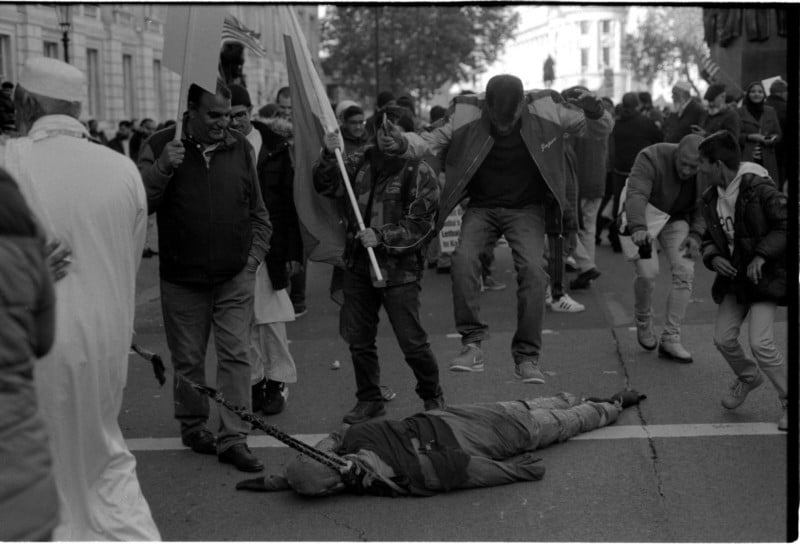
A painting tin can capture an expression, but it isn't existent in the aforementioned mode a photo is. Unless the urgency of the prototype is grounded in reality, to show that something really looked like this, or that an event really happened and then it could take any other form. That sketched expression or watercolor cloud doesn't have the aforementioned weight coming from the painter's eye and castor over many hours every bit the verbal moment captured fleetingly.
This is what a photographic photograph offers, and these reasons are why the subject of my own photography has increasingly moved away from anything I would believe seen as annihilation other than light recorded through a photographic camera.
Almost the author: Simon Male monarch is a London based photographer and photojournalist, currently working on a number of long-term documentary and street photography projects. The opinions expressed in this article are solely those of the author. You tin follow his work on Instagram. Simon also teaches a brusque class in Street Photography at UAL, which can be read about here.
0 Response to "Howdo I Find the Value of an Art Photograph"
Post a Comment